


Close Planted Release 2026

Vintage 2025
When the excitement of vintage rolls around again for another year, there is sometimes an anticlimax initially, in seasons that start and stop for the first couple of weeks. Trying to understand the fruit that comes in, and how the season is ripening, sets the tone for the remainder of vintage and when fruit is picked. There was no such problem in 2025. It was on like Donkey Kong from the 26th of Feb!
The growing season leading up to vintage was sporadic, with burst of warmth and the occasional rain event. This forced the team to be meticulous with hand weeding and canopy shoot selection. We required every available millimetre of rainfall to benefit the vineyards and fruit, and I believe that this dedication from our team is what sets the great producers apart from the rest in the most difficult years. Whether that be extremely dry, hot, cold or wet, the best sites of Chardonnay and Pinot around the world consistently shine through.
The 2025 vintage was fast and furious, just the way Nick likes it. The music is turned up and don’t you even try to lift your head for the next 3 weeks during fruit receival. This is when the adrenaline, passion and character is at its highest, and we love it! With the chardonnay and pinot harvested, our attention turned to Gamay and Shiraz. The season had turned and the ripening conditions for these varieties (and the Irrewarra site) were quite different after mid-March. The ripening occurred very gradually due to some rain and cooler nights, building some interesting flavours in the fruit. Yet the Nebbiolo just didn’t get there again, however it does make delicious Saignee when blended with pinot juice.
The wine we are all most excited about from the 2025 vintage must be the first release of Farr Rising Garganega. This is the 4th year this wine has been produced, but prior to now in has been solely consumed by the team at Ipsos Restaurant, and our team.
The Farr Rising Chardonnay right through to the Tout Pres Pinot, are reflecting the season beautifully. The wines have a balanced level of flavour, the tannins are on the softer side, and acidity to match.
The malic acid was much higher than the previous decade of fruit, so the whites have a detailed austerity about them. The reds have been able to absorb a high proportion of new oak, adding to the great length and bouquet of the wines.
2025 GC Chardonnay
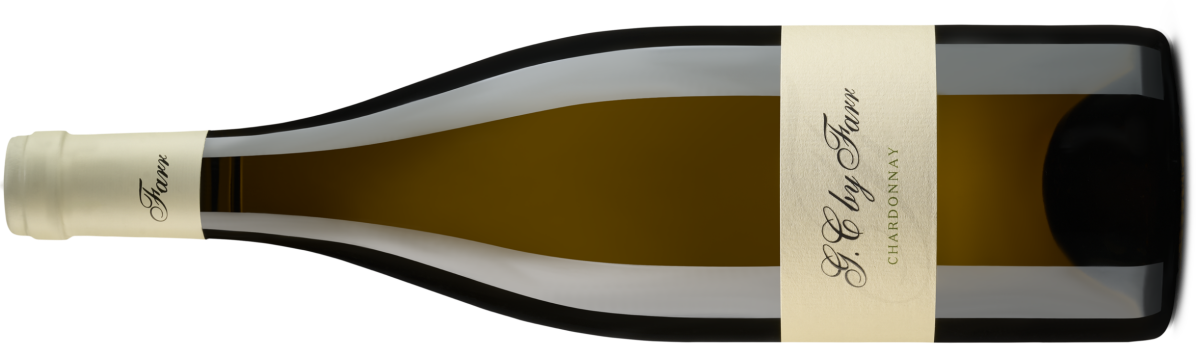
The GC Chardonnay (GC – Gary Charles) is attributed to all the knowledge we have been able to extract from Gary to create a close planted / high density planting of chardonnay on an exposed côte. These hillsides facing North, North East and East will be the backbone of the Farr dynasty for decades to come.
They consist of the most suitable clones, rootstocks, trellising and management you will find for our landscape. This is our tribute to what ‘Gazza’ has achieved and provoked over 40 years not only in our region but for chardonnay and pinot noir of Australia.
The North côte is a red to brown loam with buckshot stones across the surface. The most exposed of the three côtes, the North côte is harvested last of all because of the large amount of clay, holding valuable moisture for a much longer time than the other slopes.
The East côte is divided through the centre of the slope by a rise. Black volcanic soil with fragmented limestone in one direction and grey loam with buckshot stones in the other direction. Soil is King as the East côte has the least amount of clay and therefore least water-holding capacity resulting in it being harvested first even though it is the coolest côte of the three.
Vinification
The fruit is hand-picked then whole-bunch pressed in the winery. All the solids are collected and chilled before being put to barrel, which are 50 per cent new French oak. A natural fermentation will occur at cool temperatures over the next one to two months, and then a small amount of stirring helps start malolactic fermentation. The wine is then racked, fined and lightly filtered before bottling 11 months after picking.
Tasting Notes
The wine has an amazing smoothness and calmness that stretches the length of the palate, surrounded with textured fruit and mineral elements. We have been playing with the fruit from these vineyards for more than 8 years, fine tuning the style of wine that these vineyards are producing. What a result once it all came together.
Tasting notes, courtesy of Ben Knight (Ben and Wine).
My vocabulary defaults to words like fragile and brittle, but it’s not right. Neither sinew, nor high pitched do this wine justice. It’s like porcelain; translucent, strong, beautiful and pure. Don’t make the same mistake I did and drink this straight from the fridge, it’s too cold. This wine is reluctant when it’s 4 degrees, a reluctance that becomes confidence as it warms slightly. The colour of the wine has the slightest green hint, otherwise bright and clean. The nose smells of chalky soil struck pebbles and a saline citrussy note too. As it warms in the glass it seems to stand 2 inches taller, it shows ginger, apple, cinnamon and vanilla. The fruit is sleek and persistent. It’s neither jammy nor too restrained. It tastes like a cool glass of Chardonnay in the white stoned town square in Meursault, but of course, it is more unique than that. Whilst Burgundy has hundreds of wineries, the little hamlet of Bannockburn, in the outskirts of Geelong might count as many as 5.
Vintage 2024
The feeling of the season leading up to the 2024 vintage, was one of hope. The property was poised for a healthy and vigorous growing season, yet rainfall is required for this to be achieved ! Some winter rains certainly helped but overall the Spring rains didn’t really eventuate as it had during the previous 4 year’s seasons. The resilience of the vineyards was evident though, with average cropping levels seemingly achievable with the assistance of some timely showers and irrigation to maintain the canopy through some warmer weather during February.
The season was certainly mild throughout but the warmer weather was only towards our first picking date of 27th Feb. We tested the waters and decided after two days of picking that the fruit was capable of achieving greater flavour. We resumed picking on the 4th March and never looked back. The Irrewarra vineyard was started on the 19th March followed wonderfully by the Gamay and Shiraz. As we felt another vintage was coming to a close quite swiftly the Nebbiolo once again didn’t play ball. By mid April it was time to finish, so the Nebbiolo was picked and stalling at 12 Beaume. It was destined for Rose for another year.
The whites fermented extremely slowly but perhaps that has been an important factor in the tension that the wines have maintained, considering the warm finish to the season. Classic “Farr” – Calm power.
As for the reds, they certainly remind me of the 2016 vintage. Wines that where capable of being pushed a little harder than the previous 4 vintages. The end result yet still in barrel, have great concentration, character and poise.
2024 Tout Pres Pinot Noir
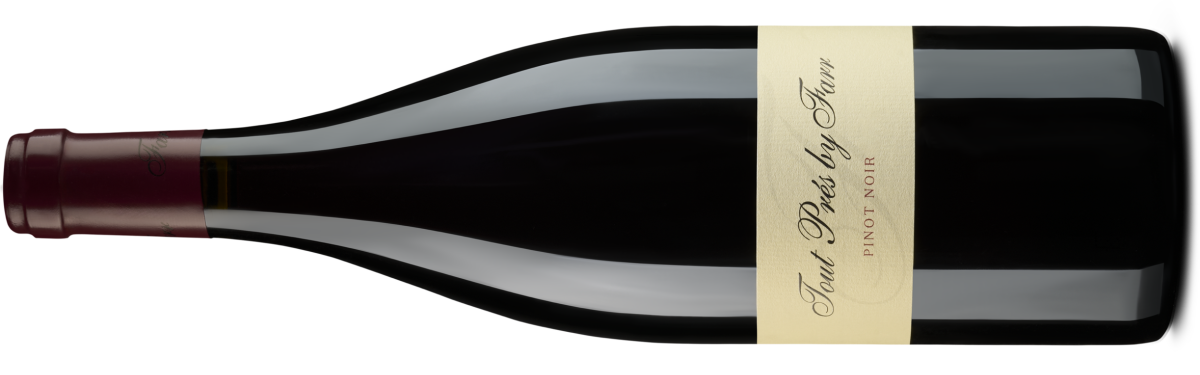
Tout Pres was planted in 2001 and is a very special and intriguing site. It rises above the other vineyards, and each of the three slopes consists of a different soil type. The largest slope is black volcanic soil over limestone; the second is quartz gravel mixed with red ironstone; the third is an iron strand in grey sandy loam. The clones, which will acclimatise and mutate over time to become the ‘Tout Pres clone’, are 113, 114, 115, 667, 777 and MV6.
With 7300 vines per ha, Tout Pres is a densely planted vineyard on the estate—hence its name, which translates as “very cosy”. This land is a challenge to farm, but well worth the effort. The soils and close competition force the vines to work hard, with the result being fruit that is lush but masculine, and which provides the coveted structure found only in the most age-worthy wines.
Vinification
Tout Pres is made using the same process as the other two pinots. It is fermented with 100 per cent whole bunches (80 per cent in 2011) in a five-tonne oak fermenter. This wine has the largest flavour profile and intensity, to absorb 100 per cent new French oak from Allier. A wine with truly understated power and richness—the classic peacock’s tail.
Tasting Notes
With every year that passes, the Tout Pres vineyard’s subtleness and delicate fruit structure are becoming increasingly pronounced in the wine. The bouquet fills the glass with spicy fruit, mineral elements and a hint of integrated French oak, with the darkness and essence of the Moorabool Valley true expressions of site. This wine exhibits primary and secondary flavours, which strengthen the overall integration for a seamless finish. It is a tightly packed combination of plums and undergrowth with an edgy acidity—and one of our favourite drops.
Tasting notes, courtesy of Ben Knight (Ben and Wine).
Striking nose of stems and spice. A textbook example of whole bunch wine making, by the foremost proponent of this style in the southern hemisphere.
The ability to replicate flavours from a specific site. This ability that makes wine unique. The part of winemaking that very few can do. A fermented product made from fruit and aged in wood that you can taste or even smell, and think, I know where that was grown and who made it. The very definition of Terroir, I believe, it’s endlessly exciting.
The Tout Pres is mouthwatering. It’s a riot of flavour. Stems, spice, black tea, driving acidity and leathery dark fruit. Pinot Noir in the New world rarely comes in this form, and its ability to divide a room is equal only to its ability to deliver unparallel, thrilling Pinot Noir expression.
2024 RP Pinot Noir
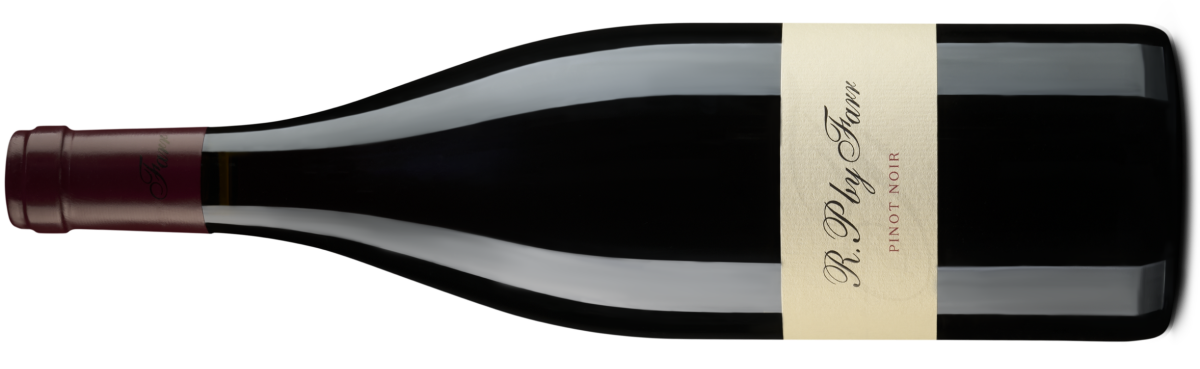
The RP Pinot Noir (RP – Robyn Pamela) is in recognition of the matriarch. It is not only the support and goffering that Robyn has endured for Gary’s 40 year career. She has been in the vineyard and planted the first vines, driven the tractors, filled barrels and pigeaged at midnight. If we are ever a man down Robyn has always been the first one we have called to fill the void no matter the job, no matter the time of day. You can always count on mum.
The fruit for this wine is sourced from the Cote Vineyard as is the GC Chardonnay. A close planted / high density planting of Pinot Noir on a exposed cote. These hillsides facing North, North East and East will be the backbone of the Farr dynasty for decades to come.
They consist of the most suitable clones, rootstocks, trellising and management you fill find for our landscape. This is our tribute to what ‘Gazza’ has achieved and provoked over 40 years not only in our region but for chardonnay and pinot noir of Australia.
The North cote is a red to brown loam with buckshot stones across the surface. The most exposed of the three cotes but is harvested last of all because of the large amount of clay, holding valuable moisture for a long longer time than the other slopes.
The North East cote is a continuation of buckshot until the soil becomes black and lined with limestone moving towards the bottom of the rows and a depression that divides limestone from sandstone. At the highest point of the vineyard you will find small amounts of sandstone in the grey sandy loam.
The East cote is divided through the center of the slope by a rise. Black volcanic soil with fragmented limestone in one direction and grey loam with buckshot stones in the other direction. Soil is King as the East cote has the least amount of clay and therefore water holding capacity resulting in it being harvest first even though it is the coolest cote of the three.
Vinification
The fruit is hand-picked and sorted in the vineyard, then fermented in an open-top fermenter. Between 40 to 50 per cent of the fruit will be stemmed and then cold soaked for four days. We use only the natural yeast for the fermentation process, which takes roughly 19 days. Grape-stomping (known as pigeage) will occur two to three times a day depending on the amount of extraction required, and the wine is then placed in 50 to 60 per cent new Allier barrels by gravity. It is racked by gas after secondary fermentation, then again at 18 months to be bottled.
Tasting Notes
This wine is pretty and so very perfumed. The cote sites simply produce amazing smoothness and calmness that stretches the length of the palate as with the GC. Abundance of fruit leading to fine and detailed tannin structure. We have been playing with the fruit from these vineyards for more than 8 years, fine tuning the style of wine that these vineyards are producing. To Robyn, Cheers.
Tasting notes, courtesy of Ben Knight (Ben and Wine).
Darker silkier more wood and cocoa. The RP is concentrated and polished, with talcum powder like tannins. It’s seamless and powerful. The RP is beautifully scented with ripe fruits and warm spice and a texture like satin. The wine opens up beautifully, and by that, I mean it shows more perfume, and more sour cherry and freshness as the wine sits in the decanter. I tasted this over about 30 hours and the wine just keeps showing another facet.
2024 Barbarian Pinot Noir
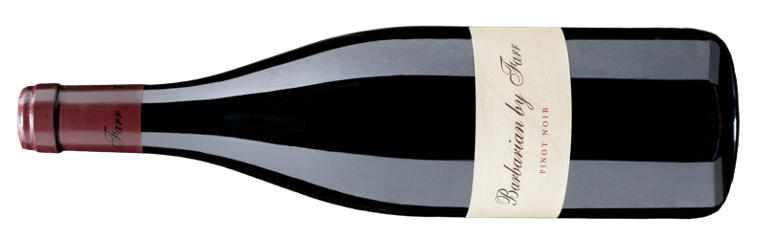
Pamela Brinsmead, Nick’s great Aunt, was not only an adventurer with a sense of humour, but she was also rebellious, strong-willed, and lived her life to every extreme of its fullest. She was wild and passionate about life, and those that were lucky enough to experience it with her. In 1975, at the age of 51, ‘Aunty’ Pam was a member on the first all-women’s crew to sail in the Sydney to Hobart Yacht Race, aboard ‘Barbarian’. She went on to compete in nine Sydney to Hobart races, narrowly missing her tenth race due to injury.
On Pamela’s passing in 2014, she gifted each of her grandchildren a small legacy, of which Nick promptly decided he would like to plant another small parcel of vineyard, neighbouring the unique soil type and ridge of both Sangreal and By Farr Chardonnay. With this site’s pedigree, we have always expected special things from this vineyard. A larger-than-life wine, that Pam would be proud of. The vineyard has always aptly been named ‘Pam’s Pinot’. This year marks 10 years for this vineyard, and it is only now that Nick feels he understands the fruit he is working with, and that the wines are ready to honour what he started. The site of the Barbarian Pinot is a rockier outcrop of the soil type found in its neighbouring Sangreal. It is oriented oppositely to Sangreal, with East-West Rows. The block is also terraced and close planted.
The fruit is hand-picked and sorted in the vineyard, then fermented in an open-top fermenter. 50 percent of the fruit will be stemmed and then cold soaked for four days. We use only the natural yeast for the fermentation process, which takes roughly 19 days. Grape-stomping (known as pigeage) will occur two to three times a day depending on the amount of extraction required, and the wine is then placed in 50 percent new Allier barrels by gravity. It is racked by gas after secondary fermentation, then again at 18 months to be bottled.
Tasting notes, courtesy of Ben Knight (Ben and Wine)
More closed than the other wines, a bit of a sleeper. Give it a decant and 20 mins to unfurl. Dark and meaty, charry yet still bright fruit behind dark cherry skin. The palate signals where I think this wine will go. Bright, bristling and vibrant, a lovely line of acid and fine cocoa like tannins. 24 hours later and the wine is still singing. All of these wines hold their form incredibly well once open. The Barbarian sits a little lower in the glass than the other Pinots, but this much flavour and complexity doesn't need to shout out all the time, it's success is it's deliciousness and terrific texture. This gives sleeping giant vibes and I'm excited to see it evolve, especially as the site and vineyard matures.
 (Image: Nick Farr - Wine By Farr | www.byfarr.com.au)