


About
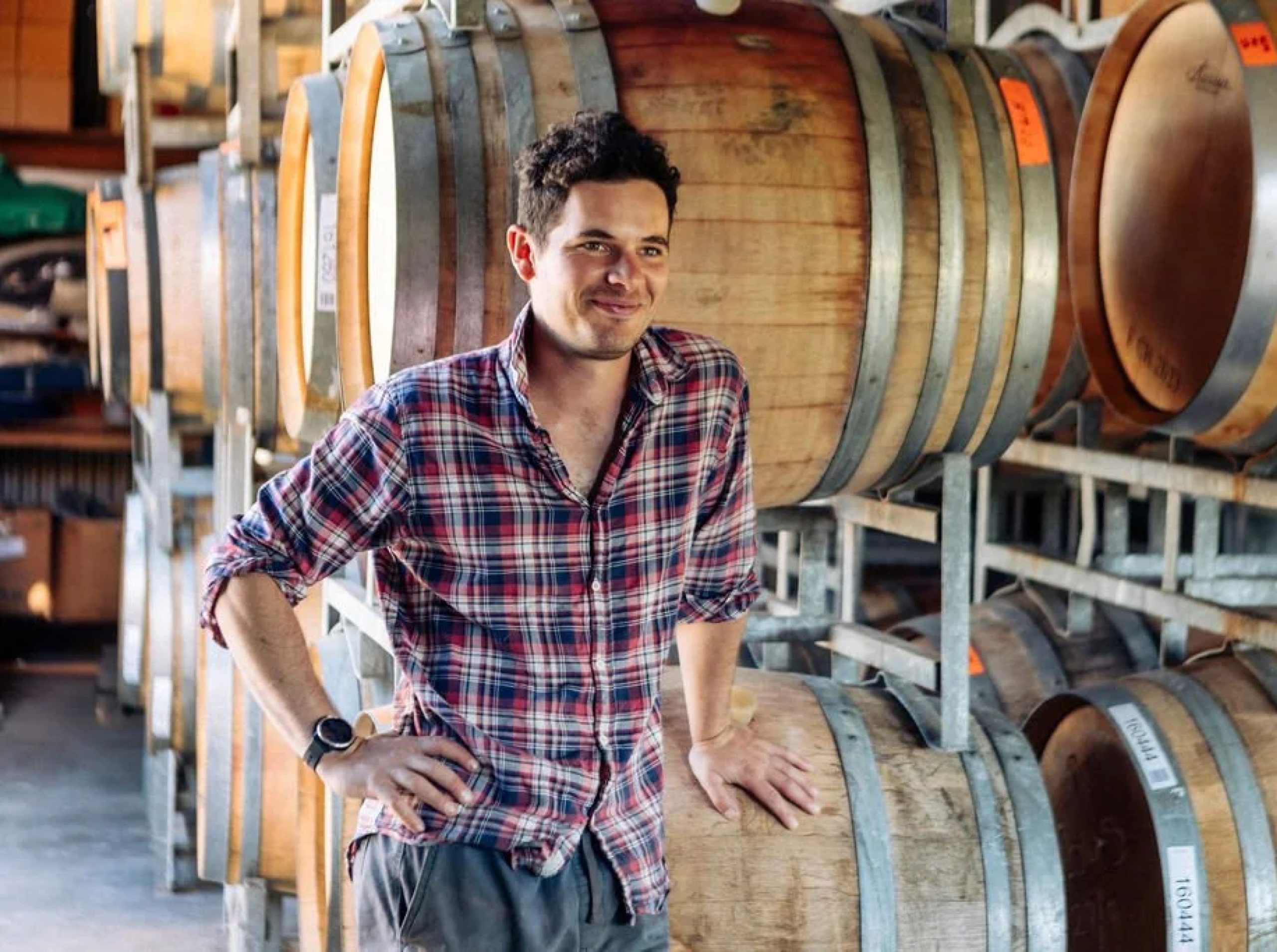
"I am Sholto Broderick, a second-generation winemaker and grape-grower of Basket Range Wine, a small family winery in the central Adelaide Hills. We are estate-focused, based on our vineyard. We produce approximately 2000 cases per year.
Our Story
My father, Phillip Broderick, planted the original vineyard in 1980 at our previous adjacent property in Basket Range. He was interested in Bordeaux varieties and took advice in the first plantings and the winemaking from contemporary pioneering Adelaide Hills winemakers, such as Brian Croser (Petaluma) and Stephen George (Ashton Hills). The original vineyard was smaller, planted to Cabernet Sauvignon, Malbec, Merlot, Cabernet Franc and Petit Verdot. This was the establishment of Basket Range Wine. Phillip made approximately 150-200 dozen per year from this vineyard, the first vintage being 1983.
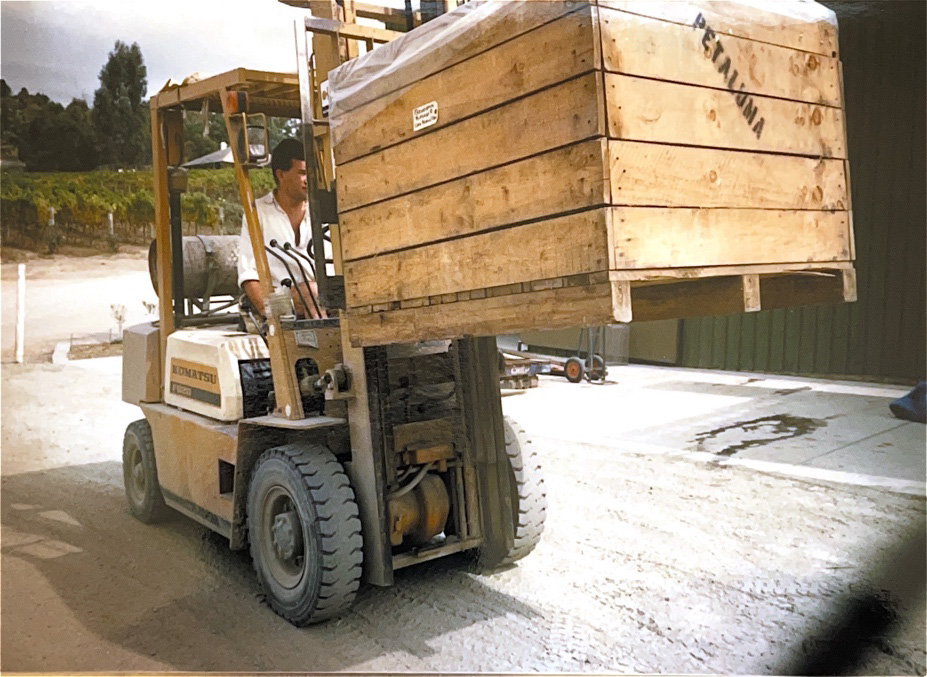
(Phillip Broderick during the first vintage of Basket Range Wine (1983)).
In 2000, our family acquired our current property and planted the vineyard (13.5 acres) which is comprising of Pinot Noir, Chardonnay, Cabernet Sauvignon, Merlot, Petit Verdot and Saperavi. Initially the majority of the fruit was sold to local wineries, with Phillip making wine the Basket Range Wine label.
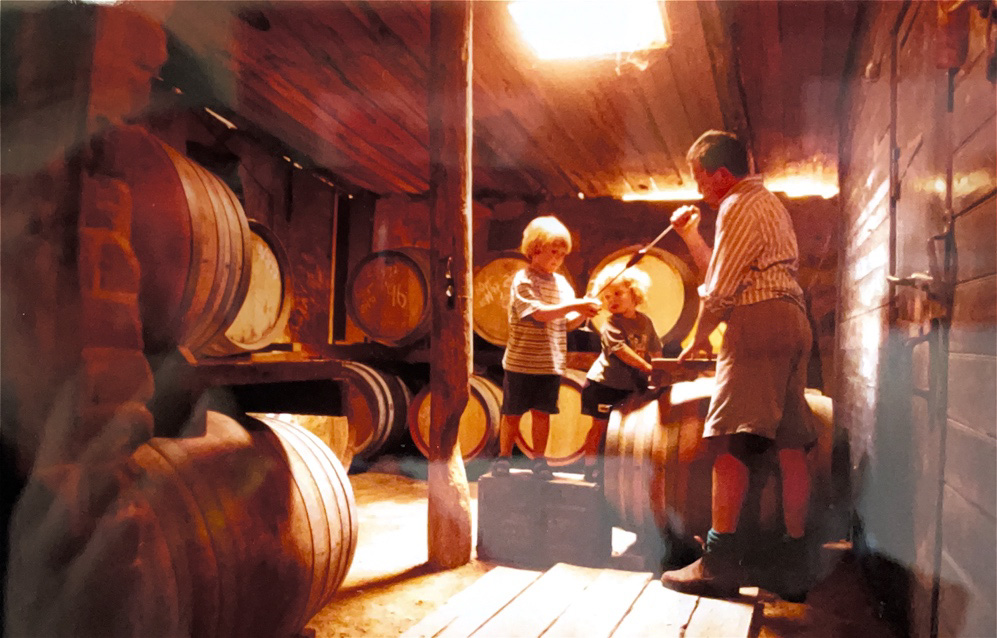
(Phillip in the cellar with his two sons Louis (left) and Sholto (right) in 1998.)
I worked two vintages in France and in local wineries in the Adelaide Hills. I began making wine from our vineyard under the Basket Range Wine label in 2016. At the same time, I took over the viticulture full-time, managing the vineyard organically. Since then production of the label has increased the entirety of the estate, as well as a small amount of Chardonnay from two other local vineyards. I make the wine at our winery, adjacent to the vineyard.
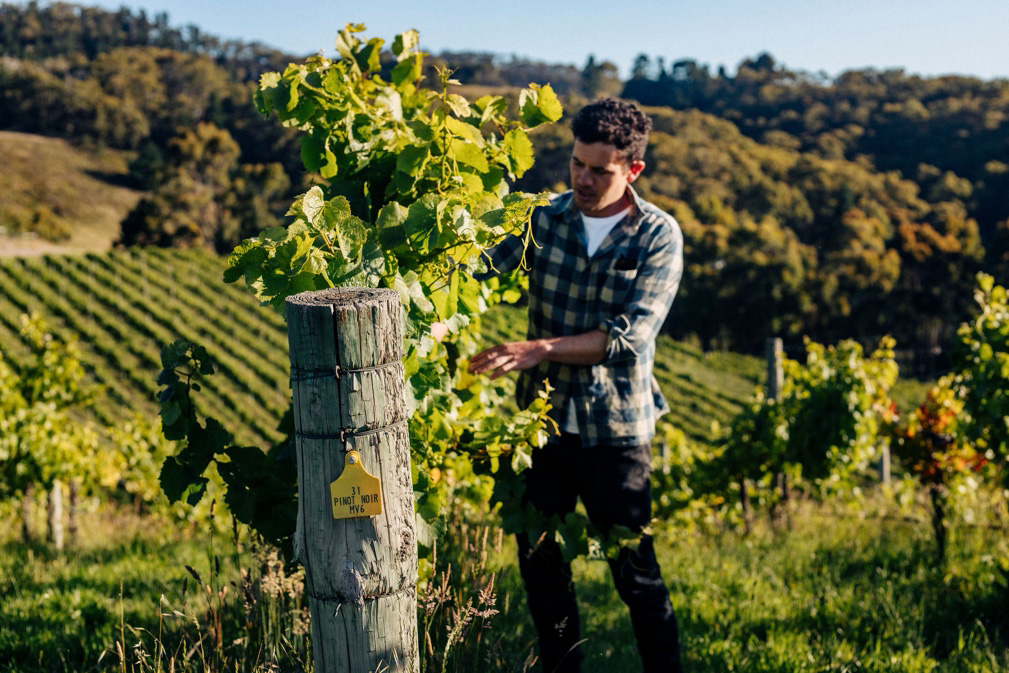
(Sholto in the Pinot Noir block)
Our Vineyard
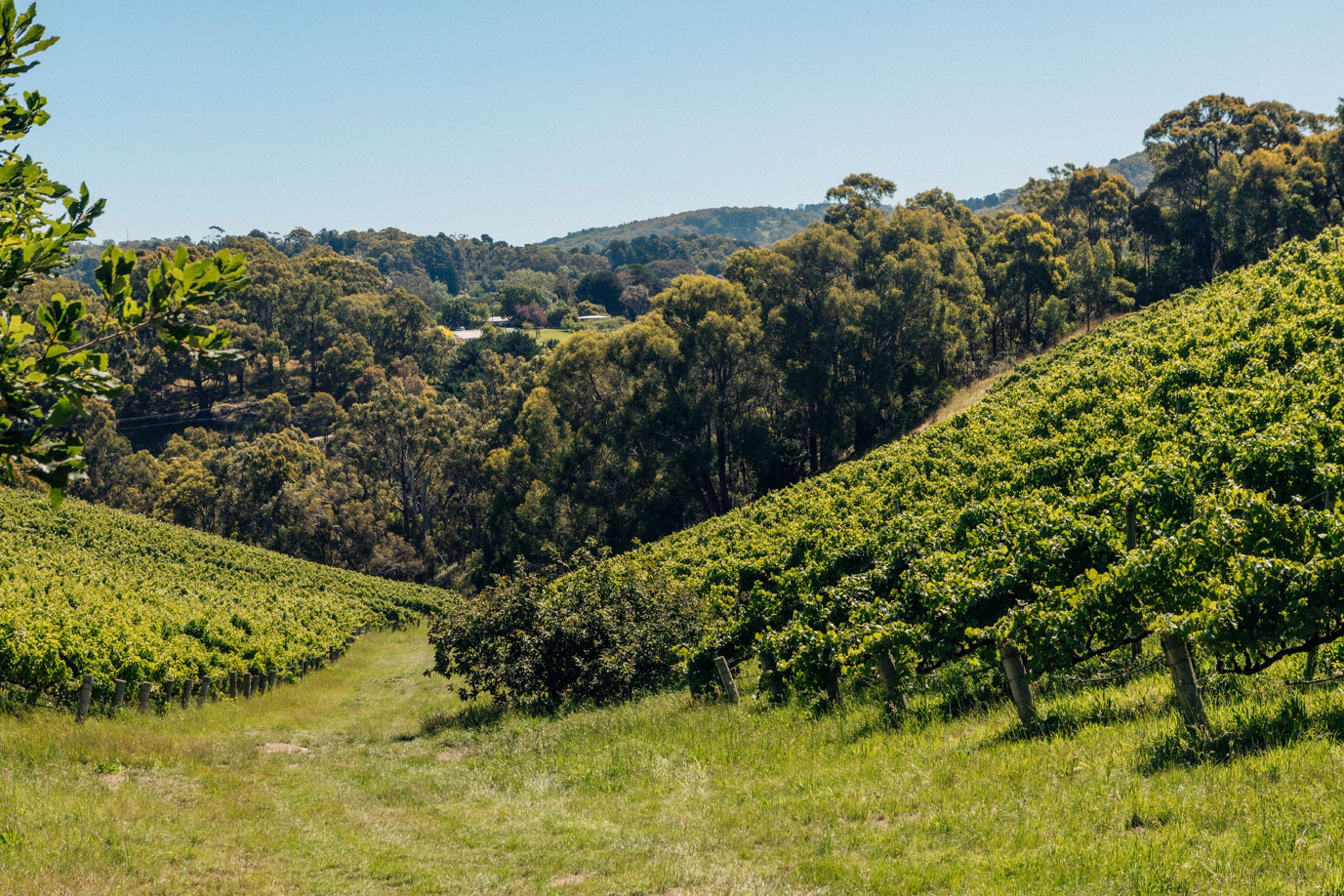
The Adelaide Hills is a region of varied soils, aspects and microclimates. Our vineyard encapsulates this well, through three main blocks, comprising three different hillside plantings; two are north facing aspects and one is southern facing slope.
The geology is ancient, with a bedrock of sandstone as well as ironstone and quartz distributed through blue and red and blue clay.
The vineyard’s aspects are planted to suit the varieties. Cabernet Sauvignon, Merlot and Petit Verdot are planted to north and west-facing aspects, where the afternoon sun aids in developing these later ripening varieties in our cool-climate region. Pinot Noir and Chardonnay are planted to cooler, more protected, south and east facing aspects.
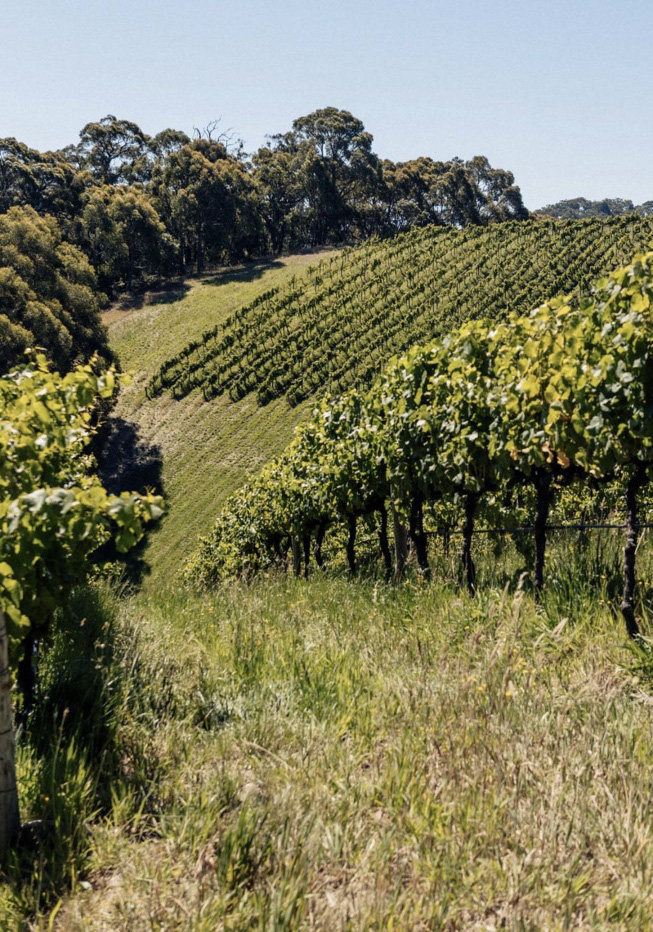
(A north facing aspect of our vineyard looks across to the south-facing block planted to Pinot Noir)
Our vineyard is managed in accordance with organic principles. It is important for us to preserve healthy soil microbiology and a diversity of plants and insects within it. The focus of the Basket Range Wine is the longevity of the vineyard and sustainability of the viticulture.
Wines
My goal is to make wines which reflect the vineyard. To be able to best express different sites, aspects and varieties allows the winemaking process to be relatively simple; using less manipulation, while being conscious in making wines with detail, focus and longevity. Growing and making Pinot Noir and Chardonnay under the label allows for wines being are synonymous with the Adelaide Hills region and its winemaking history. Cabernet Sauvignon, Merlot and Petit Verdot, which were in the first plantings of Basket Range Wine, are those which I find particularly special. The suitability of those plantings to our vineyard and the provenance they hold within the label is something I am excited to be focusing on."
- Sholto Broderick
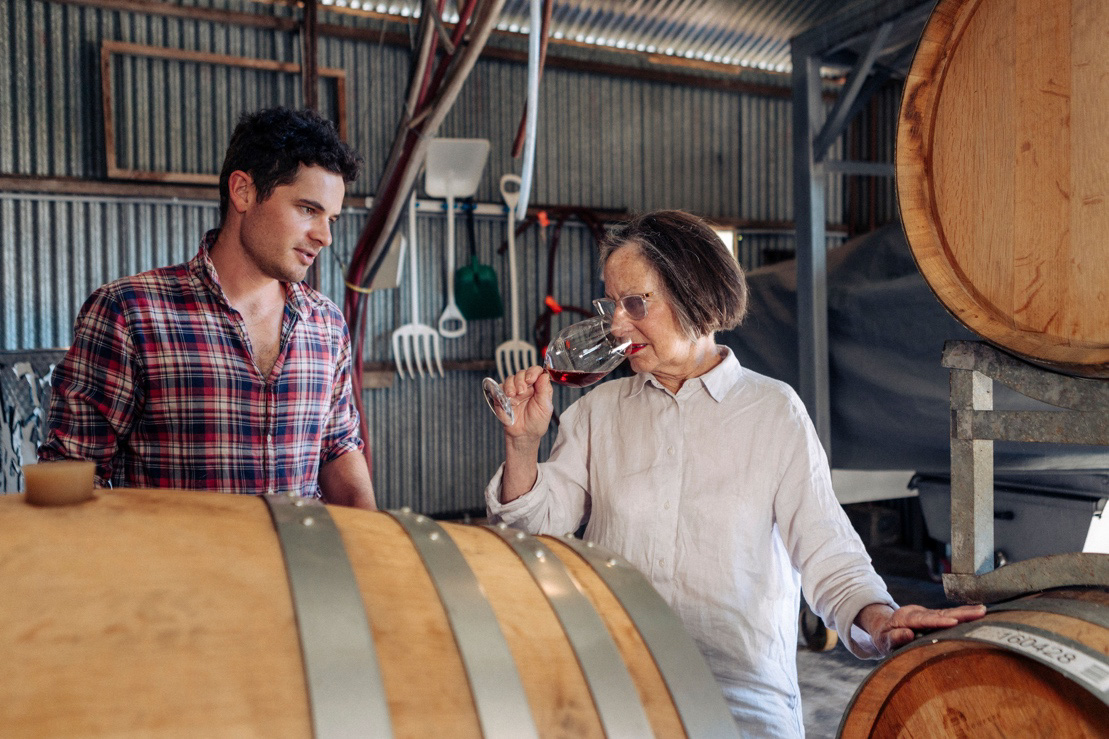
(My mother Mary with me in the winery (2023)).
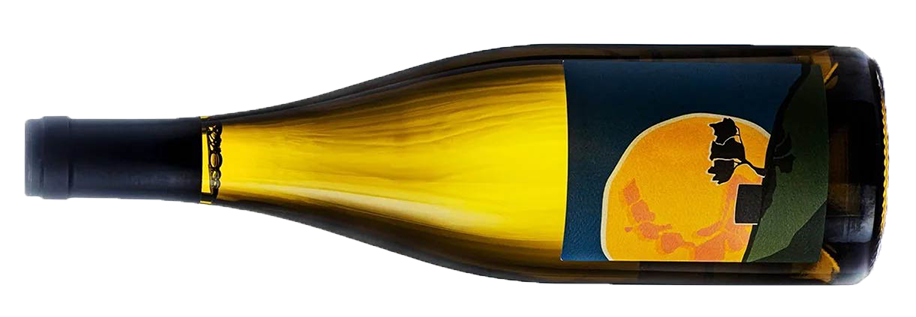
2025 Hills Chardonnay
Vineyards
This wine comes from two vineyards within a close proximity of our vineyard and winery.
The Deanery vineyard is situated in Balhannah, 7km east of us. We pick this vineyard first, being in a slightly warmer site. The clones of this chardonnay are i10v1 and Mendoza.
Ali’s vineyard is situated in the heart of the Piccadilly Valley, 8km to the south-west of our vineyard. This vineyard produces fruit with great intensity and acid drive and is a combination of g9v7 and i10v1 clones.
Winemaking
Each parcel of chardonnay was direct-pressed then cold-settled before racking to French barrique and puncheon barrels (10% new) for fermentation and maturation for 9 months.
Some battonage was used during maturation to help build mid-palate texture.
2025 Rosé
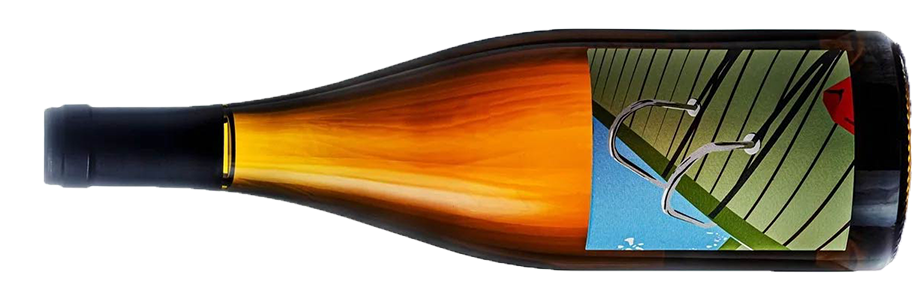
Pinot Noir from our vineyard (40%) and Syrah from the Deanery vineyard (60%).
Both parcels were direct-pressed, settled and racked to seasoned French oak hogsheads for fermentation with 7 months maturation on lees. The wine underwent full MLF, creating a rosé with complexity and mid-palate texture, in a year which leaned towards lighter-bodied wines.
2024 Bantam
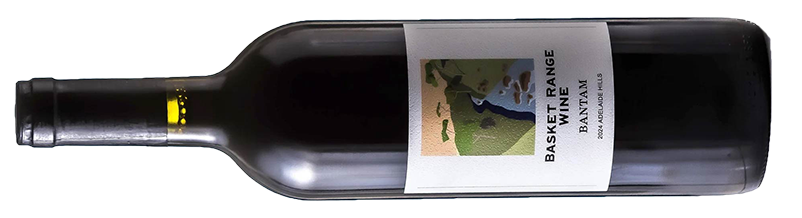
This wine is comprised of all the red grape varieties in our Basket Range vineyard; Merlot (30%), Petit Verdot (30%), Pinot Noir (15%), Cabernet Sauvignon (15%) and Saperavi (5%).
Each component was picked at different over the vintage and fermented in 2000L vats, with daily pump overs for cap management. Each component was matured in seasoned French oak hogsheads and barriques for 7 months before blending.
This wine is a delicate medium bodied red wine, which encapsulates the prettiness of the cooler vintage, particularly for some of the Bordeaux varieties.
2025 Banksia Pinot Noir
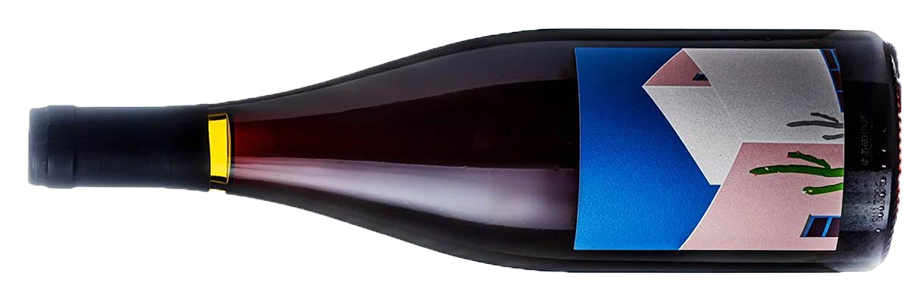
Vineyards
Our vineyard situated at our property in Basket Range comprises 75% of this wine. It is predominantly 777 clone Pinot Noir from a north-facing aspect, as well as some mv6 from the adjacent south-facing block.
The Manyara vineyard in Balhannah comprises the balance of this wine (25%). This fruit is 100% mv6 clone and was harvested at a similar time in late March to the other Pinot in this wine.
Winemaking
Each parcel of fruit for this wine was fermented in 1500 and 2000L vats, with the sparing use of whole bunches, in what was a cooler year.
Maceration ranged from 7-14 days, depending on the parcel, with daily gentle pump-overs for cap management. The wine was maturated in seasoned French barrique barrels for 8 months.
2024 Estate Chardonnay
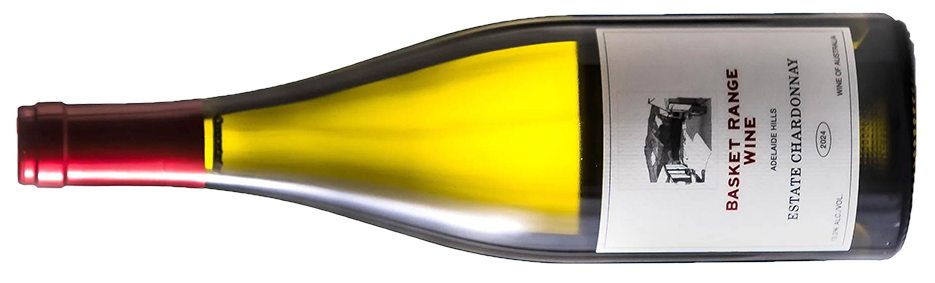
This is a very small production, produced from a 0.25 ha block of Chardonnay, situated on a gentle northeast-facing slope behind the winery. It comprises of two clones (g9v7 and Antav95), which were picked together.
Winemaking: whole bunch-pressed, settled then racked off gross solids to French oak barriques (50% new) for fermentation. The wine was on solids for 11 months, with some lees stirring. Four barriques were selected.
100 dozen produced.
2024 Estate Pinot Noir
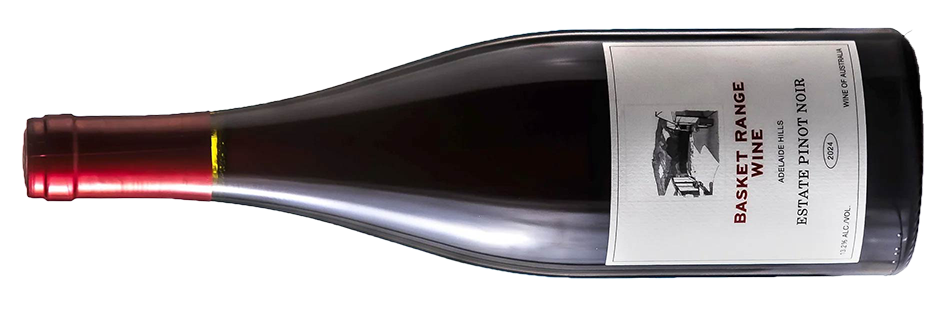
Our vineyard is planted to approximately 50% Pinot Noir, over different aspects and soil types. This wine comes from vines planted on the south and southeast facing blocks and is a combination of MV6 and 777 clones. This block has a cooler, more protected aspect, enabling extended ripening flavour and tannin. This wine reflects a cooler vintage, with a delicate fruit and an elegant structure.
Winemaking: The fruit parcels of fruit were fermented in 2000L vats with a small proportion of whole bunch use, given the cooler year. Maceration for approximately two-three weeks, with gentle pump-overs used twice daily for cap management. The wine was matured in French oak (25% new) for 10 months before blending.
120 dozen produced.
The Winefront review by Campbell Mattinson
Published on 22 September 2025
'This is a powerful pinot noir and an excellent one. It is its own beast, in the best of ways. It show intense red and black cherry fruit, it edges into red licorice, it carries orange rind, mint and assorted crushed dry herb characters, and it displays the most perfectly integrated, exquisitely well managed, smoky oak. For all this it’s the tannin that perhaps impressed me most. Ultra fine, just assertive enough, mineral-like, infused with red roses. This wine sits at the darker, more intense end of the pinot noir spectrum – it feels grenache-nebbiolo adjacent – and it does it so beautifully well.'
94 Points
2024 Estate Cabernet Blend
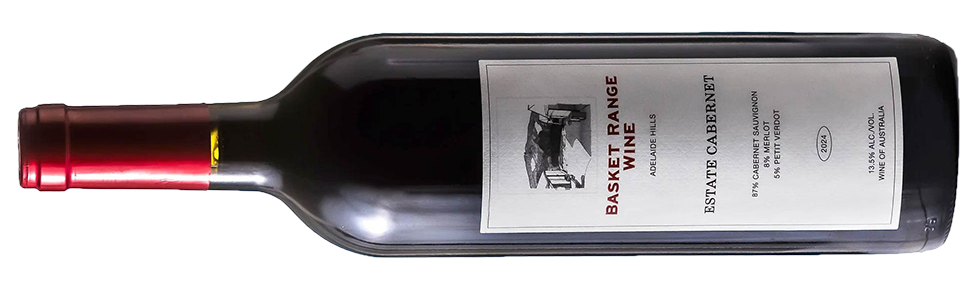
A blend of Cabernet Sauvignon (80%), Merlot (10%) and Petit Verdot (10%). These varieties were the first planted by my father in 1980 in our original vineyard and subsequently planted in our new adjacent vineyard in the early 2000s. It was the first blend under the Basket Range Wine label.
Growing these varieties and making the wines, I can see their suitability to the north-facing plantings where the afternoon sun allows for fruit with maturity of ripeness with the elegance of the Adelaide Hills. In the cooler year of 2023, the picking of these varieties was later than usual, giving a more delicate framework with fruit ripeness.
Winemaking: each component was harvested within the last two weeks of vintage, with the Merlot picked slightly before the Cabernet Sauvignon and Petit Verdot. 100% destemming (whole berry) of the fruit before fermentation in 1500L and 2000L vats for 2-3 weeks with gentle pump overs for this duration for cap management. Maturation in French barriques (15% new) for 10 months.
150 dozen produced
The Winefront review by Mike Bennie
Published on 23 August 2025
'A blend that marries 87% cabernet sauvignon, 8% merlot and 5% petit verdot. From old, first planted 1980s vines and some that came about in the early 2000s. Fermented in large vats, sent to older oak (20% new).
Very pleasant, cool and fine, slurpy, soft and mellow. Everything in balance, everything in proportion, good extension of flavour, a nice fuzz to texture with a little chomp of tannin and a gentle amaro-like character. Lots of cassis, some mulberry, toasty clove, dash of new leather, sprinkle of dried mint and sage leaf. Pleasing, lithe red that feels good and accessible now, but should also go a long way in cellar. Charm plus.'
93+ Points